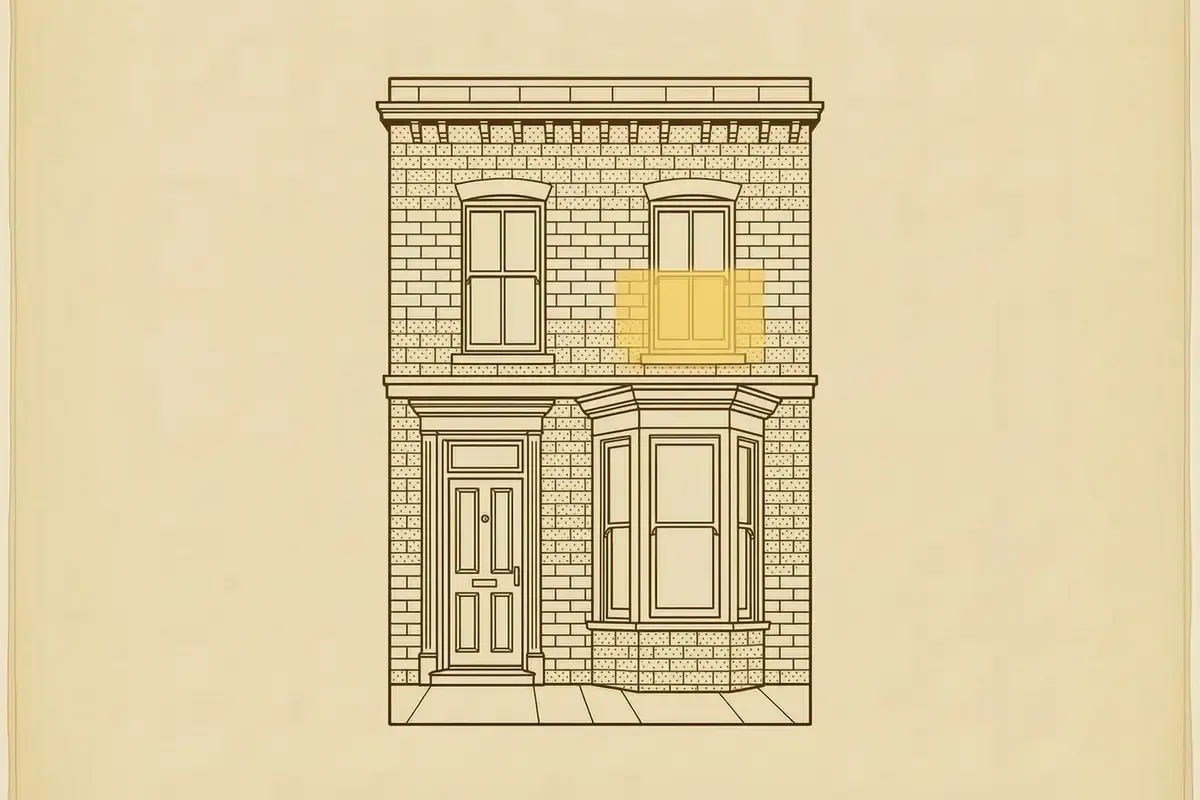
Secondary glazing beats double glazing in two situations: when a sash is noisy and the original window must stay, and when a conservation area or a listing makes changing the window difficult or impossible. It loses the comparison when the sashes are coming out for repair anyway, because then slim double glazing in the original frame can cost less than a second pane fitted on top.
A secondary panel is a second, separate pane of glass fitted on the room side of an existing window, leaving the original sash exactly where it is. It is not a sealed unit, and it is not a replacement: the old window stays, the new pane sits in front of it with an air gap between, and the two together behave like double glazing without anyone touching the frame.
Internal secondary glazing needs no planning permission, in a conservation area as much as anywhere else. The Planning Portal’s doors and windows guidance lists it among the works that need none. It is not an alteration to the window, so the rules that catch replacement glazing and new frames do not apply. An Article 4 direction or a listing can still change that, so check your address before ordering.
What secondary glazing is
Two systems suit a sliding sash, and the choice is about how often you open the window. A horizontal slider has two or more panes that slide sideways past each other in a slim frame, so you can still reach the sash behind and open it for air. A lift-out panel simply drops into a carrier and lifts out when you want the window back, which suits a sash that stays shut for most of the year. Both sit inside the reveal, several inches off the glass, and both leave the sash cords, weights and mouldings untouched.
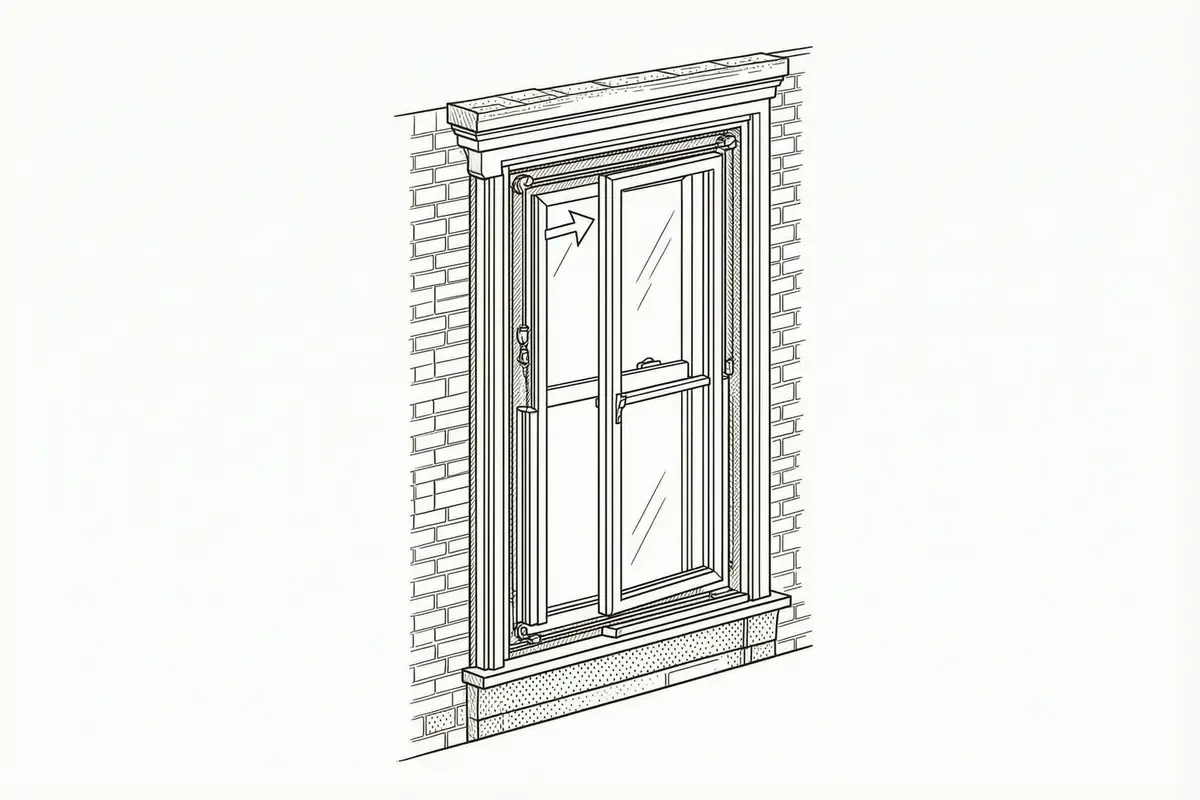
The air gap is what does the work. A sealed unit gets its insulation from a thin, sealed cavity between two panes; secondary glazing gets it from a much wider, unsealed gap of still air. That wide gap is what makes a panel so good at quietening a window, and it insulates too — though more modestly than a sealed unit does — while costing far less and changing nothing outside. The trade-off is that the panel is a second surface to clean and a second thing to move.
Why it is the answer in conservation areas and listed houses
In St Albans, Hertford and Ware, most of the older housing stock sits inside a conservation area, and a good share of it is listed — the same streets we work on for sash window repair across Hertfordshire. The consent problem is not the window being draughty; it is the standard fix. Replacing single glazing with sealed units inside the original sashes thickens the glazing bars and changes how the window looks from the street, which is where a conservation officer starts asking questions. Replacing the whole window is a bigger step again.
Secondary glazing sidesteps all of it. Because the street elevation is untouched — the original sash and its glazing bars stay exactly as they are — there is nothing for a conservation officer to object to. That is why it is the usual answer when a listed or protected sash needs better thermal or acoustic performance and the owner wants to keep the original.
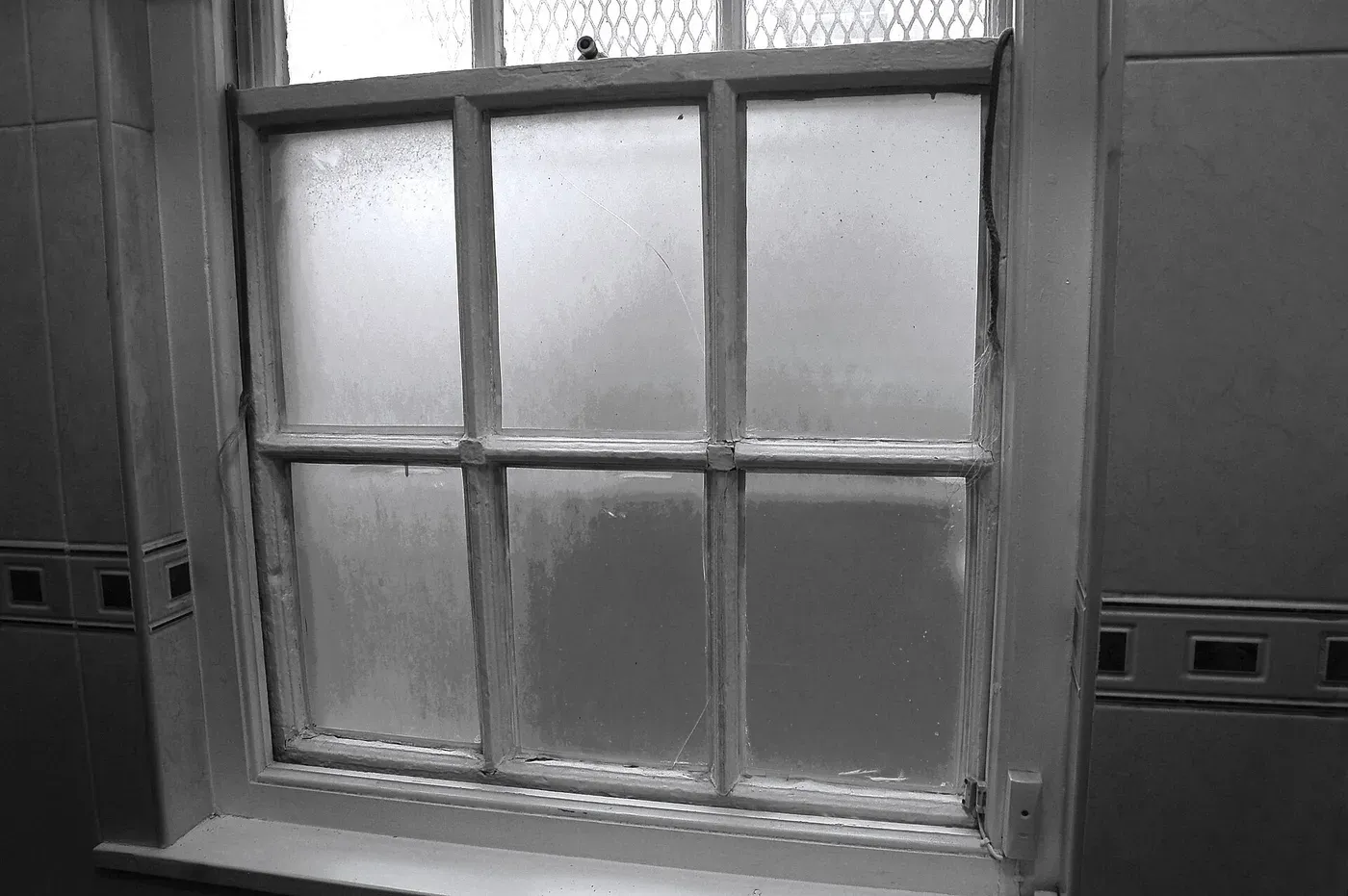
Photo: 85 High Street 1710 sash window by A.-K. D., CC BY-SA 4.0 via Wikimedia Commons; resized.
The honest caveat is that a listed building is its own question. Listed building consent can attach to significant works, internal as much as external, so on a Grade I or Grade II* interior a fixed panel is not automatically exempt. The Planning Portal is clear that you should check with the local authority before carrying out any work where a listing or a direction applies.
What it does well — and what it does not
Secondary glazing is strongest on noise. A wide air gap with two separate panes is a better sound barrier than a thin sealed unit, which is why it is the first thing we suggest to a house against a busy road or a railway line. On heat it is more modest: it cuts draughts and cold radiation from the glass, but it does not turn a single-glazed window into a modern double-glazed one.
What it does not do is repair the window. A panel fitted in front of a sash with rotten bottom rails, snapped cords or worn beads still has a rotten, jammed window behind it. The seal and the frame come first, the extra pane second — see our draught proofing service for the order of work. Nor does a panel fix condensation that comes from a cold, unventilated room; it can even trap moisture in the gap if the outer sash leaks.
When slim double glazing is the better spend
If the sashes are coming out anyway — for re-cording, rebalancing or rot repair — slim double-glazed units in the original sashes become worth weighing against a secondary panel. Slim here means a sealed unit thin enough to sit in the original sash rebate without visibly thickening the glazing bars. The window is already on the bench, so the marginal cost of glazing it properly is lower, and the result is a single sealed window with no second surface to clean. The catch is still the bars: even a slim unit is thicker than a single pane, and unless the bars are redesigned honestly around it the window reads wrong from the street, which is exactly what a conservation area notices. Our guide to retrofitting glazing sets out what fits in an old frame and what does not.
When draught-proofing is the better first step
Before either glazing, seal the window. Most of what people feel as a cold window is air moving through the gaps at the stiles, meeting rails and sill, not heat passing through the glass, and that is fixed for a fraction of the cost with routed brush seals and compression seals. The Energy Saving Trust puts the saving from draught proofing windows, floors and doors together at around £55 a year in Great Britain — a whole-house figure, not a window on its own — and says plainly that on a sliding sash, brush strips are the right choice where foam strips do not work well.
The order matters. A secondary panel fitted over an unsealed sash still leaks at the frame, and it can hide a window that needed easing or re-cording. We seal and overhaul first, then decide whether the room still wants a second pane. That way the money goes to the problem, not to a panel that masks it.
The cost variables
What a secondary glazing job costs turns on a handful of things, and none of them is the price of the glass alone. As a rough order of size, sealing the existing window is the cheapest of the three options, a secondary panel sits in the middle, and replacing the window or the sashes is the most expensive by some way — that ordering holds whatever the numbers are on your street, and it is why we seal and overhaul before we fit anything.
- the number and size of the windows, and whether they are sliders or lift-outs;
- whether the reveal is square enough to take a carrier without packing;
- whether the panel needs to be removable for cleaning, or fixed;
- access above a stairwell or behind a radiator, which adds labour;
- matching an awkward bay, where each pane is made to a measured angle.
A quote should itemise the panes, the carriers or tracks, and the fitting separately, so you can see what you are paying for rather than a single round number. If the noise is the driver and the house faces a busy road or a railway line, a specialist survey will tell you whether a panel will cut enough before you spend on it; if the sashes are stiff or the frame is suspect, get the window looked at before anything is fitted over it.
Frequently asked questions
Does secondary glazing need planning permission?
No. The Planning Portal lists internal secondary glazing among the works that need no planning permission, because it does not change the outside of the building. A conservation area does not change that by itself, though an Article 4 direction or a listing can, so confirm your address with the council before ordering.
Will secondary glazing stop the noise from the road?
It is the most effective thing you can do to a single-glazed sash for noise, because the wide air gap and two separate panes break up sound better than a thin sealed unit. It will not make a room silent, and the benefit depends on how well the panel and the frame are sealed, but for a house against a busy road it is usually the right first move.
Can I still open my sash window with secondary glazing fitted?
Yes, if you choose the right system. A horizontal slider lets you reach the sash behind and open it, and a lift-out panel lifts away entirely. The trade-off is that the panel is a second thing to move, which is why the choice between the two comes down to how often the window is actually opened.
Is secondary glazing better than double glazing?
It depends what you are trying to fix. For noise, and for keeping an original sash in a conservation area or listed house, secondary glazing usually wins because it changes nothing outside. For a window that is already being taken out for repair, slim double glazing in the original sashes can be the cleaner long-term answer.
Will secondary glazing stop condensation?
Not reliably, and it can make it worse if the outer sash leaks or the room is poorly ventilated. Condensation is a ventilation and cold-surface problem; a panel warms the inner pane, which helps, but it does not remove the moisture from the air. Seal the window and ventilate the room before expecting a panel to cure it.