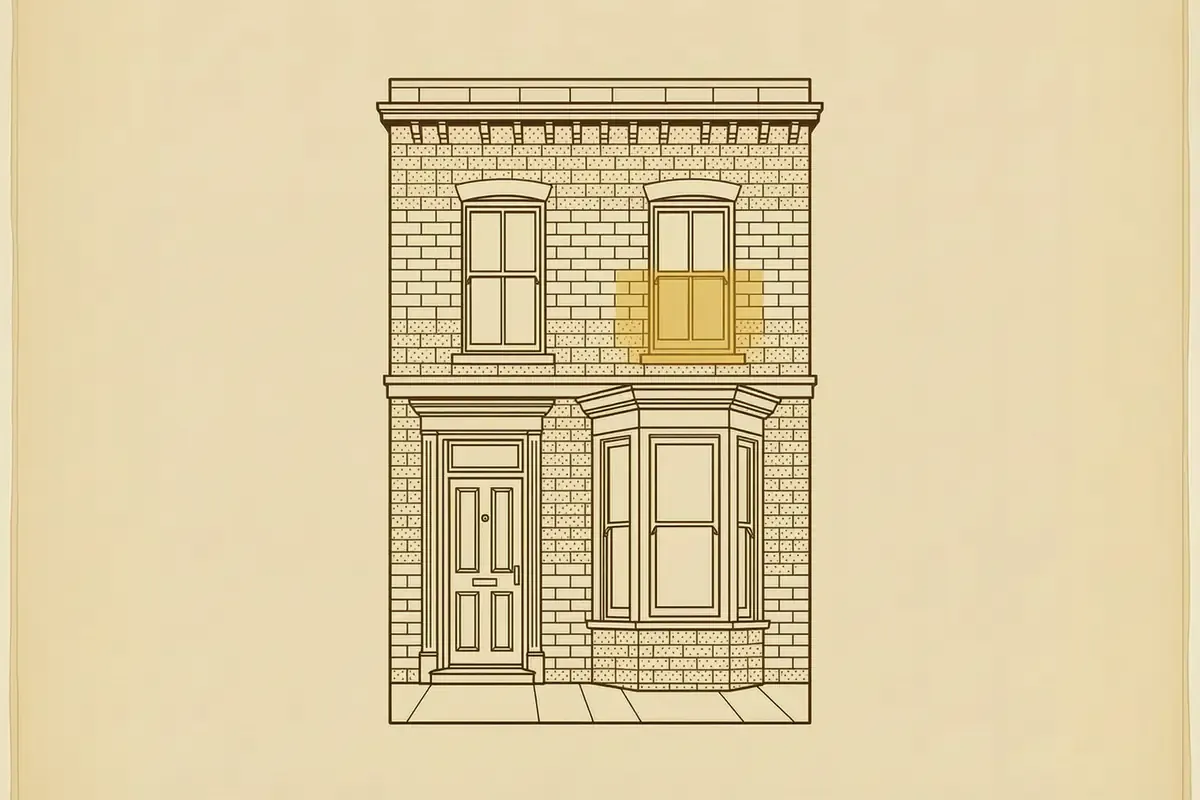
There are three ways to put double glazing into a timber sash window, and they are not the same job. You can fit slim sealed units into the original sashes, keeping the frame, the weights and the glazing bars you already have. You can have new double-glazed sashes made to hang in the old box frames, replacing the moving parts but not the frame. Or you can replace the whole window. Each is possible, each has a different price, and each is the right answer for a different window.
“Double glazing a sash” usually means the first of those: replacing the single pane in each sash with a sealed unit of two panes and a gap. The catch is that a sealed unit is thicker than a single pane, and a sash was built around the thinness of one sheet of glass. Everything that follows — the bars, the weights, the consent — comes back to that one fact.
The rule that matters first is about replacement, not retrofit. A replacement window has to meet an energy standard — a U-value of 1.4 W/(m²·K) or a Window Energy Rating of band B — but glazing the sashes you already own is not a replacement, so it does not carry that test in the same way. Consent is the separate question, and it turns on whether the window looks different from the street, not on whether the glass is now double.
The three ways to double glaze a sash
Slim units in the original sashes keeps everything you have and changes only the glass. The old pane comes out, the rebate is cleaned, and a sealed unit thin enough to sit in it goes back in, bedded and puttied as before. The frame, the cords, the weights and the glazing bars all stay. This is the least invasive route and the one that keeps a window looking most like itself — but it depends on the sashes being sound enough to carry the extra weight and the rebate being deep enough to take the unit without the bars reading fat.
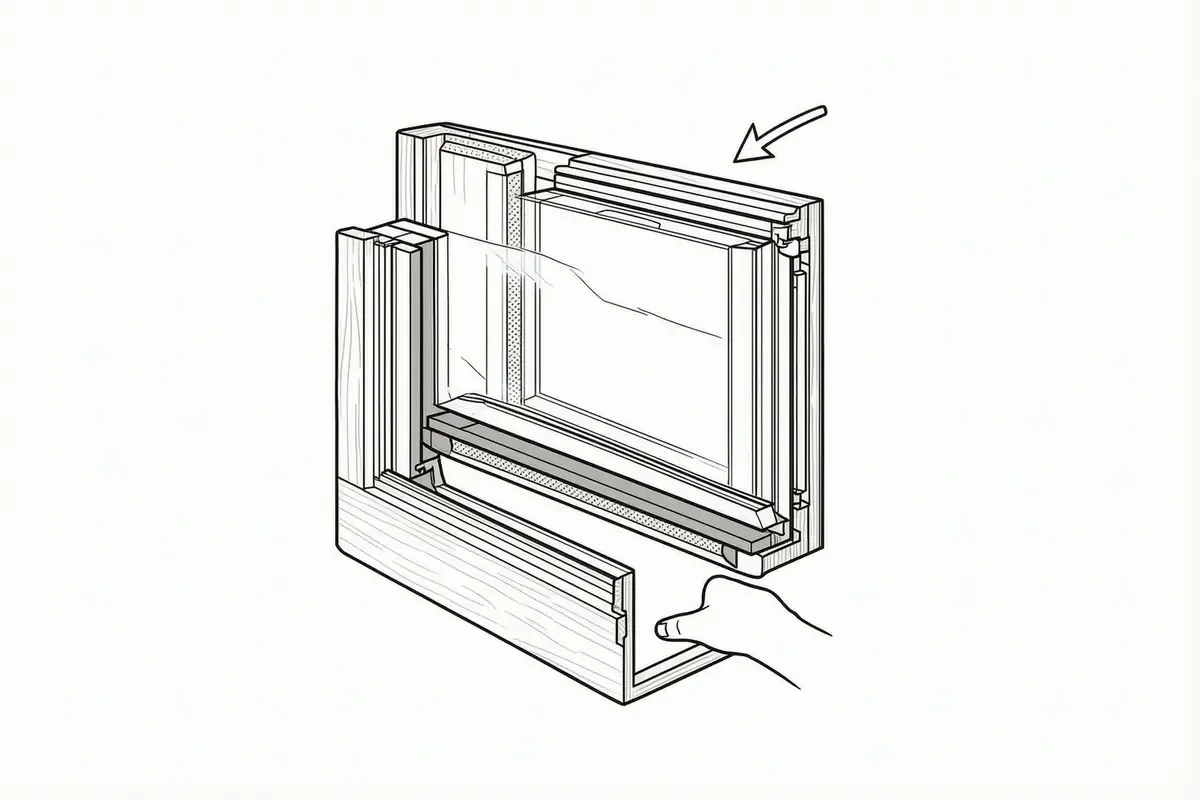
New sashes in the old frames replaces the moving parts. A joiner makes fresh sashes to the existing openings, glazed with sealed units and hung on the old cords and weights, which are then adjusted to the heavier glass. The box frame, the pulleys and the staff beads stay; the sashes themselves are new. This is the answer when the sashes are too far gone to reglaze — rotten bottom rails, split stiles, bars beyond repair — but the frame is still sound. It costs more than reglazing and less than a full replacement, and it lets the new sashes be designed around the glass rather than the glass squeezed into the old ones.
Full replacement takes out the frame as well. It is the most expensive route and the one that changes the most, because a new frame is a new window, whatever style it is made in. It is also the only route that is unambiguously a replacement under the building regulations, so it is where the Part L energy standard bites hardest. We reach for it only when the box frame itself has failed — rot through the pulley stiles, a sill gone past splicing — and even then a period street usually wants the new window to match the old.
What the glazing bars and weights decide
The glazing bars are where most retrofits are won or lost. A single pane sits behind a slim bar; a sealed unit is thicker, so the bar has to grow to cover it, and a fat bar is the first thing a conservation officer notices. The honest way to do it is to design the bars around the unit — rebated to take the extra depth, or replaced with bars sized for the glass — rather than to apply chunky bars over the top of a unit that does not fit. The window reads wrong from the street either way if the bars are not thought through.
Weight is the second constraint. Double glazing is heavier than single, sometimes nearly twice as heavy once the second pane and the spacer are counted, and a sash window is a balance: the sash against cast-iron weights hidden in the box. Add glass and the sash drops or will not stay open, so the weights have to be increased to match. That is routine on a cord-and-weight window — make-weights are added inside the pockets — but it is the step a cheap retrofit skips, and a sash that slams or will not hold is the tell.
The frame has to be up to it too. The box frame, the pulleys and the cords were sized for single glass; heavier sashes load them harder, so a survey checks the cords, the pulley axles and the joints before any glass is ordered. If the frame is already tired, the sensible order is to repair it first and glaze second, not to hang heavier sashes on a frame that was already on its way out.
Part L and what it means for your window
Approved Document L of the building regulations sets the energy standard for windows, and the conservation of fuel and power guidance is the page to read it on. For a replacement window in an existing dwelling the requirement is a whole-window U-value of 1.4 W/(m²·K) or a Window Energy Rating of band B. That is a standard for a new or replacement window, not for glass fitted into a window you already own. A replacement window is also a controlled fitting: it has to be notified through a competent-person scheme such as FENSA, whose installer registers the work and issues the certificate, or through a building-control application. The 2026 edition of the same document, in force from 24 March 2027, tightens the rating to band C or better, so anyone planning a replacement now should build that in.
The same document makes room for old buildings. Where meeting the full standard would unacceptably alter the character or appearance of a listed building, a building in a conservation area or a scheduled monument, the work does not have to comply in full. Instead the guidance points to either a centre-pane U-value of 1.2 W/(m²·K) or single glazing supplemented with low-emissivity secondary glazing. That is the clause that lets a period window keep its thin bars and its single-pane look while still doing better than it did.
The practical reading is this: a slim sealed unit in an original sash is not a replacement window, so it is not being asked to hit 1.4 W/(m²·K) as a condition of being fitted. A new window, or new sashes treated as a replacement, is. The difference between “glazing the window we have” and “replacing the window” is the difference between a repair and a new fitting, and it is worth being clear about which you are doing before you order anything.
What conservation officers in Hertfordshire accept
Consent is about appearance, not about the glass. Repairs, maintenance and repainting need no planning permission, and a replacement of a similar appearance to what is already there normally needs none either — for a house, that is, since flats and maisonettes have no permitted development rights of their own. Internal secondary glazing needs none. What starts a conversation is a change to how the window looks from the street — a new frame material, fatter bars, a different way of opening — and that is true in St Albans, Hertford, Hitchin and Ware as much as anywhere else.
The conservation-area and listed-building realities are the ones our survey always checks. An Article 4 direction can withdraw the permitted development rights that would otherwise let a window be changed without an application, so a street that carries one is stricter than a street that does not. A listed building is stricter still: listed building consent is needed for significant works, internal as much as external, and a change to a listed window is almost always significant. The address matters, so the check is against your own council’s conservation-area and Article 4 pages, not against a general rule.
What this means for double glazing is that the route matters as much as the result. Slim units in the original sashes, done so the bars read the same, usually changes nothing a conservation officer can see, which is why it is the route we suggest first in a protected street. New sashes or a full replacement change more, so they are the ones to run past the council before committing. The glass being double is not, on its own, the objection; the window looking different is.
What it costs
The cost of double glazing a sash turns on the route and the condition of the window, not on the price of the glass alone. As a rough order of size, reglazing the existing sashes is the least expensive of the three routes, new sashes in the old frames sit in the middle, and a full replacement is the most expensive by some way — that ordering holds whatever the numbers are on your street, and it is why a survey comes before a quote.
The variables that move a quote are these:
- the route, and whether the sashes are reglazed, remade or the frame replaced;
- the number and size of the windows, and whether they are one-over-one, two-over-two or six-over-six;
- the condition of the frame — rot to splice, cords to renew, pulleys to free — because glazing a tired window means repairing it first;
- whether the weights have to be rebalanced for the heavier glass;
- whether the bars are rebated for the unit or remade around it;
- access, and whether the window is on a ladder rather than at bench height;
- whether the property is listed or in an Article 4 area, which adds the consent step and sometimes the paperwork.
A good quote itemises these rather than giving a single round number, so you can see what you are paying for. The glass is one line; the joinery, the balancing and the decoration are the others, and they are usually where the money actually goes. If the sashes are sound and the frame is straight, reglazing can be a modest job; if the frame is rotten and the property is listed, the same window can cost several times as much, and no honest quote hides that.
Time is the other thing to plan around. New made-to-measure sashes take several weeks to come through, so a full replacement or new-sashes route is measured in weeks, not days. Reglazing the sashes you have is quicker: the sashes come out, are glazed and go back the same day, and in most cases the work happens from inside with no scaffolding. The lead time on the glass and the joinery is what sets the calendar, so ask for it up front rather than finding out after the sashes are out.
The order of work
Double glazing a sash runs in a fixed order, because the glass is the last thing that goes in, not the first.
- Survey and record: the gaps, the bar profiles, the cord and weight condition, the rot, and whether the house is listed or in a direction area.
- Repair the timber first: splice rotten bottom rails and sills, free the sashes, renew worn beads, so the glass goes into a frame that will outlast it.
- Re-cord and rebalance: renew the cords, then set the weights to the heavier glass so the sash holds where it is left.
- Glaze: bed the sealed units in the cleaned rebates, sized so the bars read the same as before.
- Decorate: prime and paint in thin coats that keep the mouldings sharp and the sashes free-running.
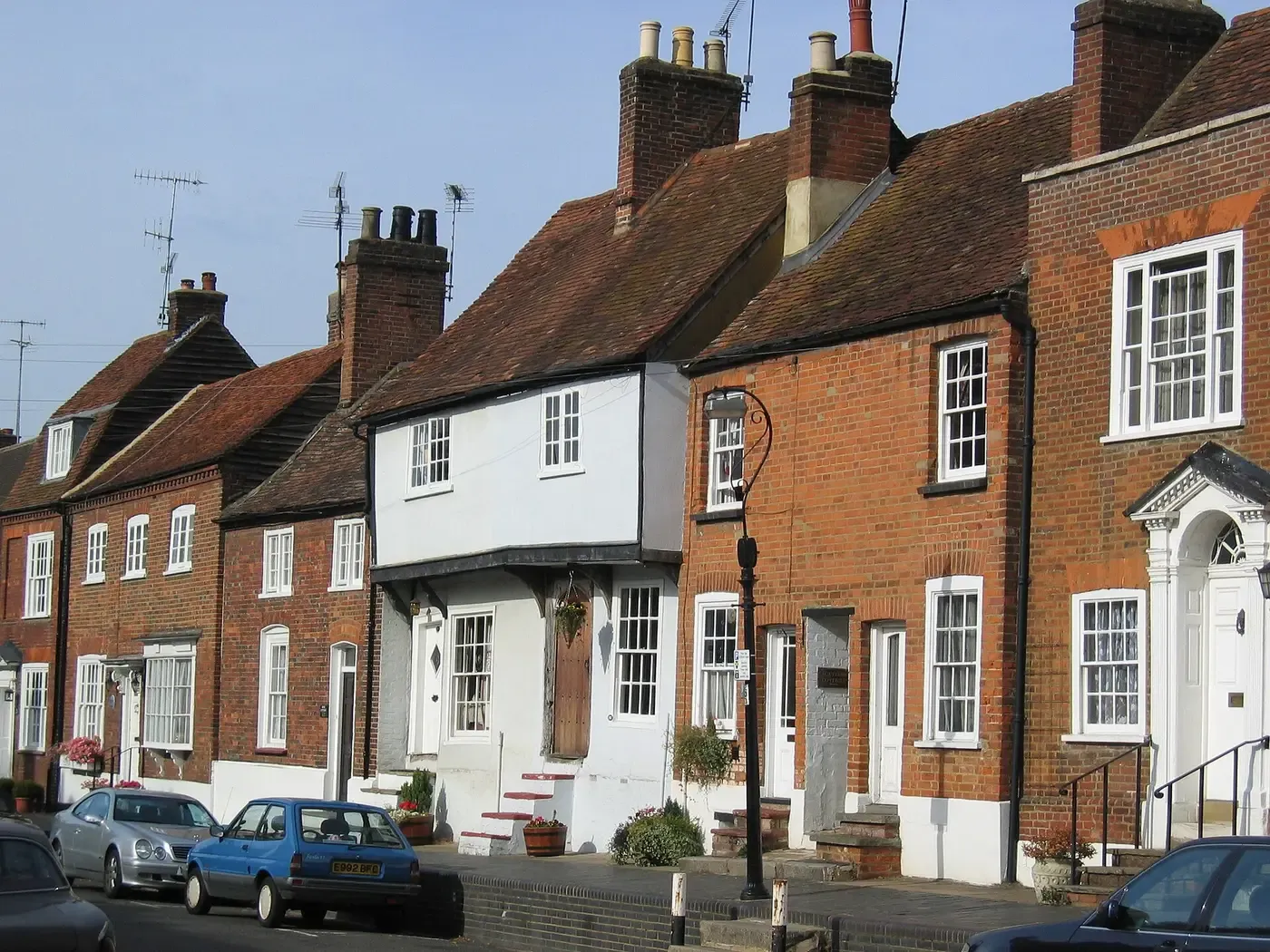
Photo: 20031012-002-houses-st-albans by Gary Houston, CC0 via Wikimedia Commons; resized.
The reason the glass comes late is that a sealed unit is only as good as the frame around it. Double glazing a sash with a rotten bottom rail or a snapped cord gives you a warm pane in a window that still will not open or close, and a draught still gets in around the edges. The seal and the mechanism come first, the second pane second — the same order set out in our guide to draught proofing. Our guide to spring balances versus cords and pulleys explains why the weights are kept rather than swapped out.
Frequently asked questions
Can you double glaze an existing sash window without replacing it?
Yes, and it is the route to start with. The single pane comes out of each sash and a slim sealed unit goes back into the same rebate, so the frame, the cords, the weights and the glazing bars all stay. The limits are the depth of the rebate and the condition of the sashes; if either will not take the unit, the sashes are remade instead.
Does double glazing a sash window need planning permission?
Not as a repair. Reglazing the sashes you already own changes nothing a planning authority can see, so it needs no permission. A replacement of a similar appearance normally needs none either. What needs an application is a change to how the window looks from the street, and an Article 4 direction or a listing makes that stricter, so check your address with the council.
Does a double-glazed sash window have to meet building regulations?
A replacement window has to meet the energy standard set out above — a U-value of 1.4 W/(m²·K) or a Window Energy Rating of band B, rising to band C from 24 March 2027 — and be notified through a competent-person scheme. Glazing the sashes you already own is not a replacement, so it is not being asked to hit that figure as a condition of being fitted. Old and listed buildings get further room under the same document, which allows a centre-pane U-value of 1.2 W/(m²·K) or single glazing with low-emissivity secondary glazing where full compliance would spoil the character.
Will double glazing make my sash window too heavy?
It adds weight, and the weights have to be increased to match, which is routine on a cord-and-weight window. A sash that is not rebalanced will drop or refuse to stay open, so rebalancing is part of the job, not an optional extra. The frame, cords and pulleys are checked first, because heavier sashes load them harder.
Will the glazing bars look thicker?
Only if the job is done badly. A sealed unit is thicker than a single pane, so a bar has to be designed around it — rebated to take the extra depth, or remade to the right size — rather than applied chunky over the top. Done properly the window reads the same from the street, which is exactly what a conservation area notices.
Is double glazing better than secondary glazing for a sash?
It depends what you are trying to fix and what the window will allow. Slim double glazing in the original sashes gives a single sealed window with nothing extra to clean, and it is the cleaner answer when the sashes are coming out anyway. Secondary glazing leaves the original window untouched, which is the safer route in a listed interior; our guide to secondary glazing sets out when each wins.